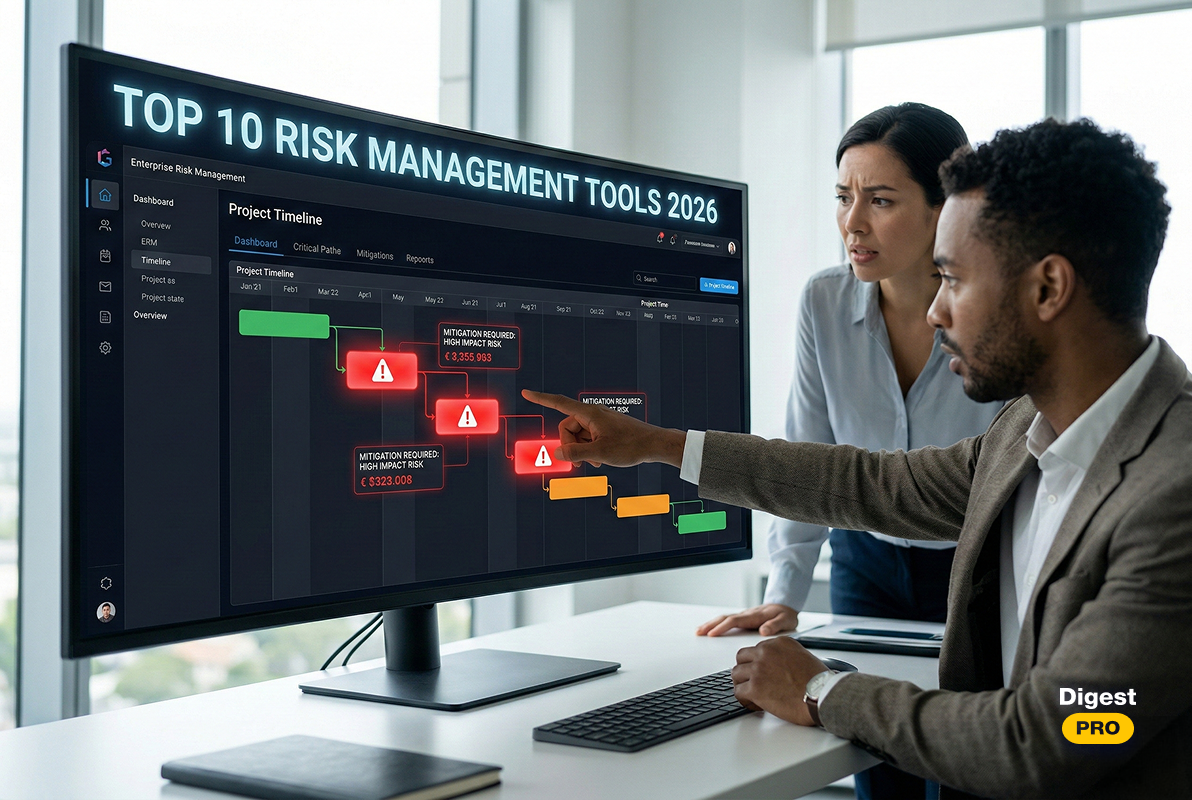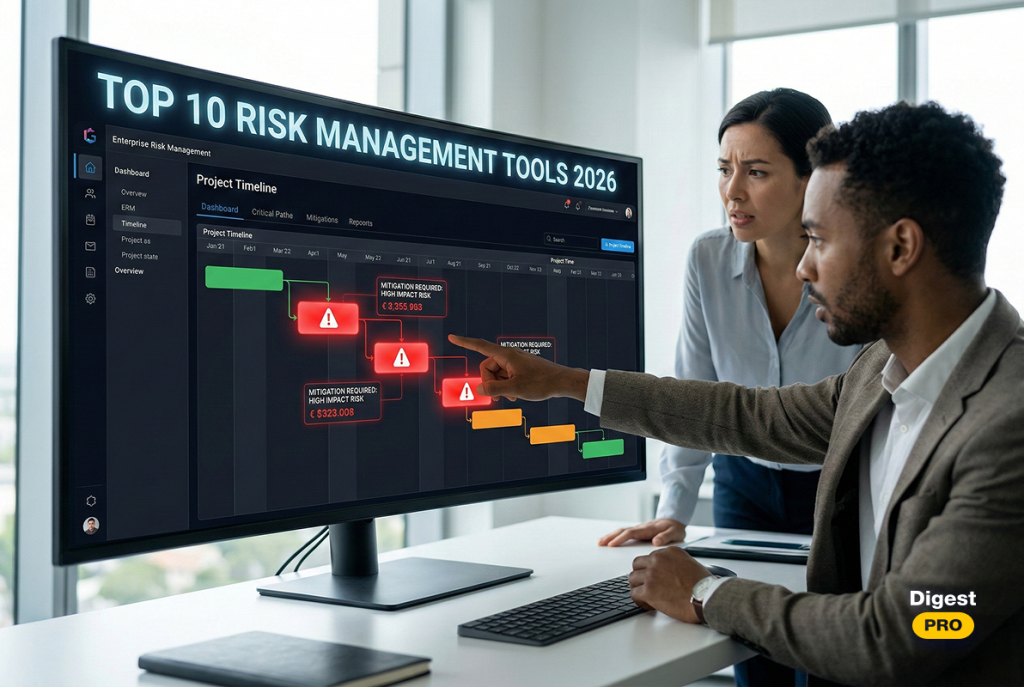
By 2026, a strong risk management tool will be a must for any business that wants to survive.
The proof is the latest PwC’s 2026 Global CEO Survey, which shows that cyber risk now ranks as a major threat for 31% of CEOs—up sharply from 24% last year—amid rising macroeconomic volatility and geopolitical tensions. This evolution underscores the need for proactive risk tools to safeguard project workflows against escalating digital and global disruptions [9].
In this article, our experts select the top 10 risk management tools that a project manager can use to make data-informed decisions and build long-term resilience.
What is a risk management tool?
A risk management tool is a specialized software application designed to identify, analyze, and mitigate potential threats to an organization’s objectives.
- Risk management software provides a centralized platform where teams can document vulnerabilities.
- These systems move beyond simple spreadsheets. Risk management software offers dynamic environments for tracking project risks in real time.
- Modern versions often include automated risk scoring to prioritize issues without manual bias.
- At its core, risk management tools support the entire risk management process. This includes everything from initial identification to long-term monitoring.
- A risk management solution acts as a digital safeguard for your project management efforts.
- In addition, risk management tools ensure that every stakeholder understands their role in maintaining safety and compliance.
At lightning speed: Comparison Table of 10 Best Risk Management Tools
Tool | Primary feature | Best for | Price |
|---|---|---|---|
Project risk management software for stressless delivery and business growth | Multi-project environments, resource planning | Standard tier from €22.5/user and Custom tier | |
|
Monday.com |
Customizable risk dashboards & automations |
Growing teams with workflows | |
|
Jira |
Risk tracking via issues & plugins |
Software development, agile teams | |
|
Microsoft Project |
Critical path & baseline risk analysis |
Enterprise project scheduling | |
|
StandardFusion |
GRC risk register & assessments |
Compliance-heavy industries | |
|
Resolver |
Enterprise risk & incident management |
Mid- to large-sized enterprises, finance/healthcare | |
|
Wiz |
Cloud-native security, DevSecOps | ||
|
nTask |
Risk tracking with custom fields |
Small- to mid-sized teams, project risks |
Premium tier for $3/user/month, Business $8/user/month, Enterprise tier. |
|
ProjectManager |
Project teams with reporting |
Team tier for $15/month, Business tier for $28/month, Enterprise tier. | |
|
Wrike |
Marketing/creative teams with collaboration |
Free, Team tier for $10/user/month, Business for $25/user/month, Pinnacle and Apex are custom tiers. |
Read more: 15 Best Product Roadmap Tools for Stakeholder Alignment in 2026
Key features of risk management tools
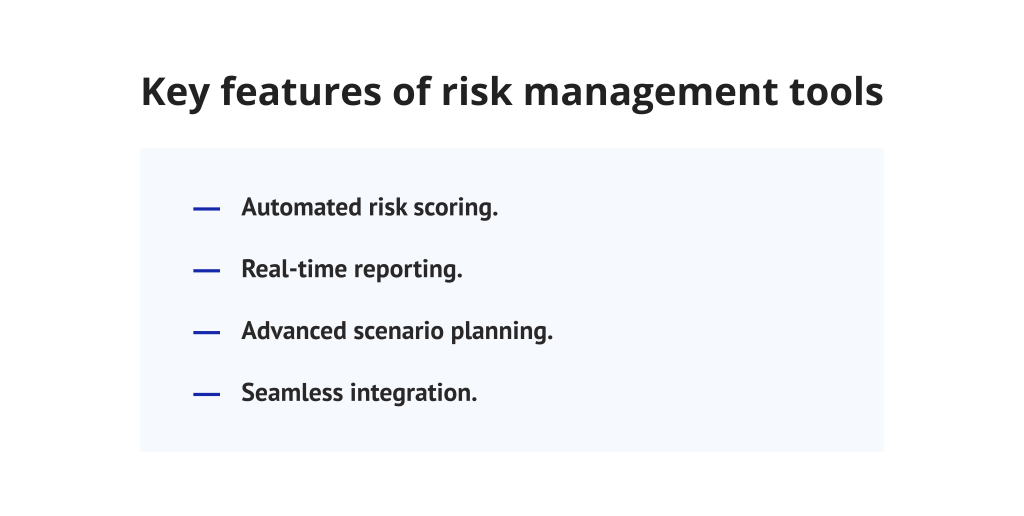
When evaluating a risk management solution, certain functionalities are non-negotiable for C-level executives. Modern platforms prioritize efficiency and visibility through the following core features:
- Automated risk scoring: This essential feature uses algorithms to calculate the probability and impact of a threat. Consequently, it removes the guesswork from your risk management plan. High-priority items immediately rise to the top of the queue.
- Real-time reporting: Static reports will be obsolete in 2026. You need dashboards that update as soon as a team member logs a change.
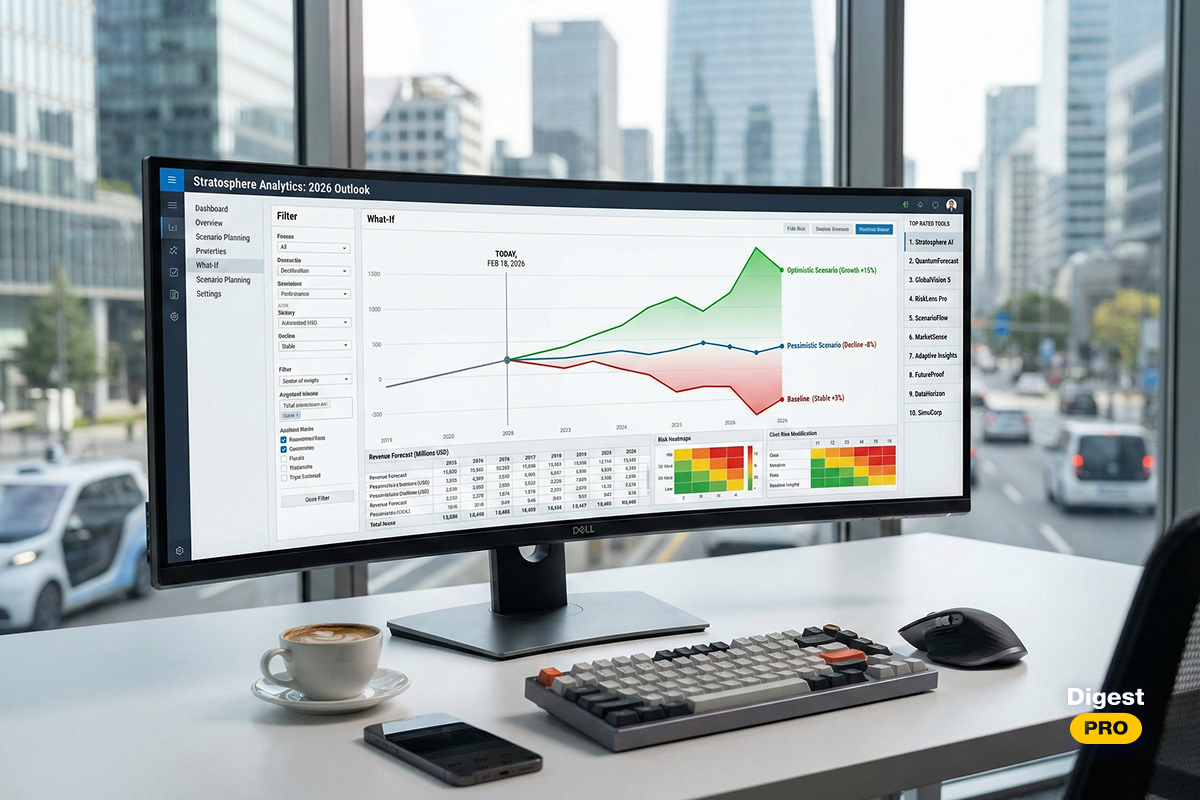
- Advanced scenario planning: Look for risk management features like “What-If” analysis. This allows you to simulate different scenarios before committing resources.
- Seamless integration: Capabilities with your existing project management software ensure that data flows across departments without manual entry errors.
Benefits & Drawbacks of using risk management tools
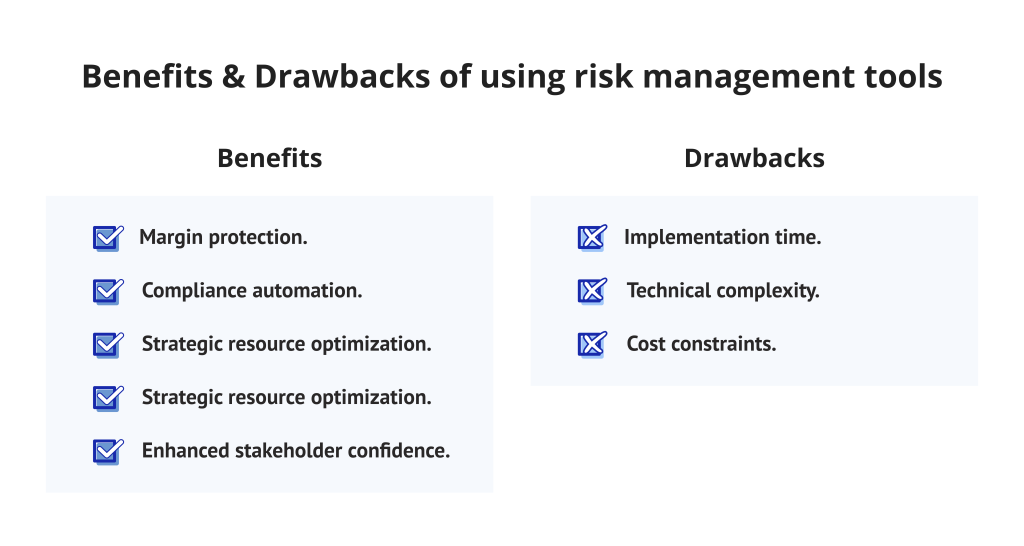
The main advantage of utilizing risk management tools is that they offer greater predictability. Centralizing data allows companies to secure several strategic benefits:
- Margin protection: By spotting project risks in advance, you can preserve your margins.
- Compliance automation: Risk management software automates compliance tasks. This reduces the burden on your legal and audit teams.
- Silo elimination: Enterprise risk management tools improve communication and break down silos. As everyone in the company accesses the same data, they become more aligned with the company’s goals.
- Strategic resource optimization: Sophisticated risk management software provides the ability to smartly redeploy human resources according to the changing threat levels so that the top priority projects continue to have the right number of people.
- Enhanced stakeholder confidence: Providing boards and investors with real-time data transparency effectively gives them proof of organizational resilience and proactive governance.
Still, a few drawbacks should not be forgotten during the pre-purchase period:
- Implementation time: Setting up a risk management tool from scratch will definitely consume time.
- Technical complexity: Some top risk management tools have a steep learning curve. If the UI is complex, adoption rates might suffer among staff.
- Cost constraints: The cost of high-end risk management software can be substantial for smaller firms. You must weigh the ROI against the initial investment carefully.
Read more: 15 Best ERP Software for Small Businesses Reviewed in 2026
How to choose the perfect risk management tool that will resolve your problems?
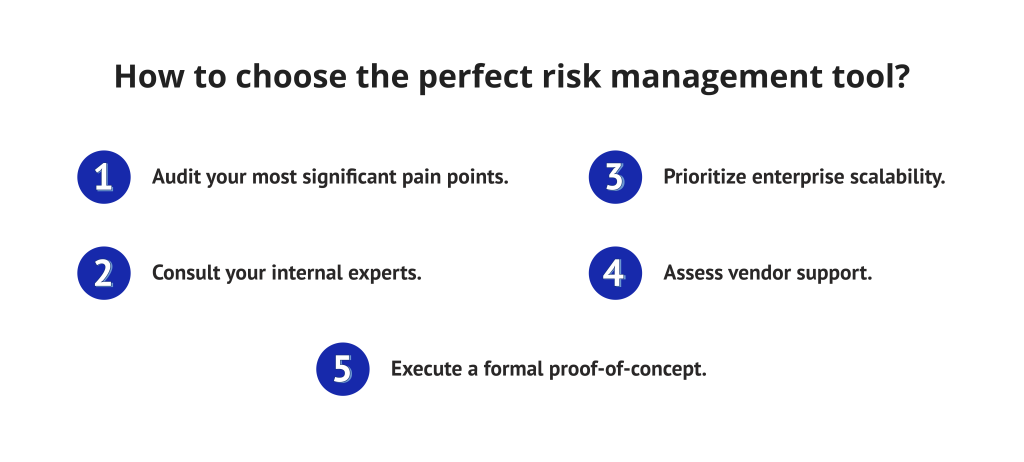
Finding a risk management tool is a major decision that impacts your overall ROI. Hence, you need a thorough method to get your perfect match. Here is a step-by-step guide:
- Audit your most significant pain points: Firstly, chart your main difficulties. Is it that your IT system is insecure or your projects always take longer than expected? Pinpointing these will help you choose a suitable risk management software category.
- Consult your internal experts: Always involve your project manager and IT leads in the evaluation. They deal with daily workflow frictions. Their feedback prevents you from buying a tool into demos, but fails in practice.
- Prioritize enterprise scalability: Evaluate the risk management software’s scalability to manage growing data complexity and user volume.
- Assess vendor support: Prioritize vendors who provide an implementation framework and live training workshops.
- Execute a formal proof-of-concept: Deploy the risk management software on a high-impact project before executing a contract.
If you want to know more about mainstream trends, game-changing releases or disruptive updates, subscribe to Digest.Pro.
How to implement a risk management tool without stress?
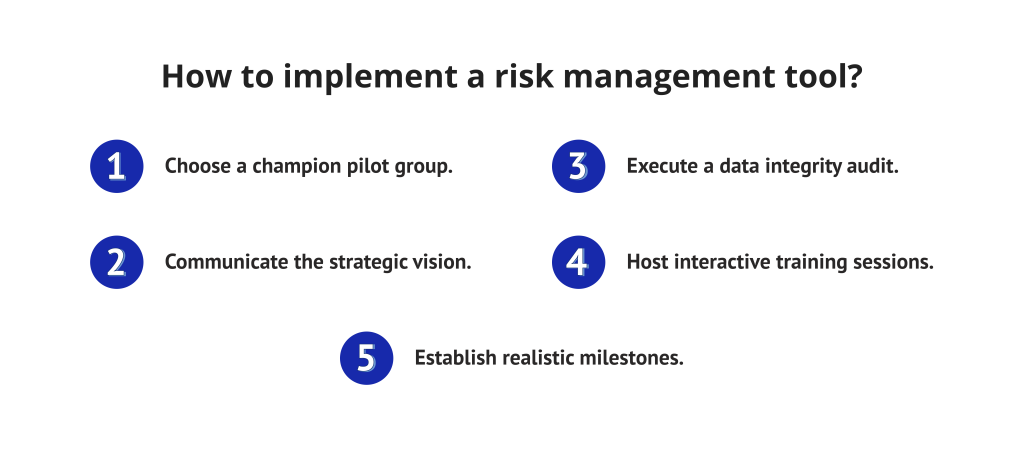
A successful rollout of a risk management system depends on human adoption as much as technical setup. Use this step-by-step framework for a smooth transition:
- Choose a champion pilot group: Start small. Select one department with high digital literacy to lead the charge. This allows you to refine your risk management process before the global launch.
- Communicate the strategic vision: Explain “the why.” Leadership must show how the new risk management tool makes life easier for employees. People embrace change when they see the personal benefit.
- Execute a data integrity audit: Clean your existing spreadsheets before migration. Poor data entry in a new risk management system leads to “garbage in, garbage out” results.
- Host interactive training sessions: Move beyond video tutorials. Use hands-on workshops where staff log actual project risks. This builds muscle memory and confidence.
- Establish realistic milestones: Don’t aim for 100% adoption on day one. Set 30-, 60-, and 90-day goals for data entry and report generation. This ensures effective risk management through consistent, incremental progress.
Read more: 8 Best Open Source Product Management Software of 2026
Comprehensive review: Deep dive into the top 10 risk management tools
1. Epicflow
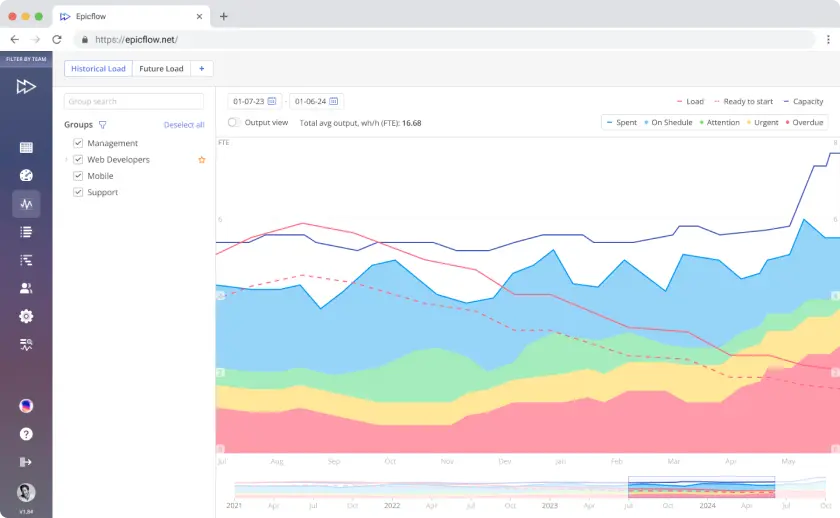
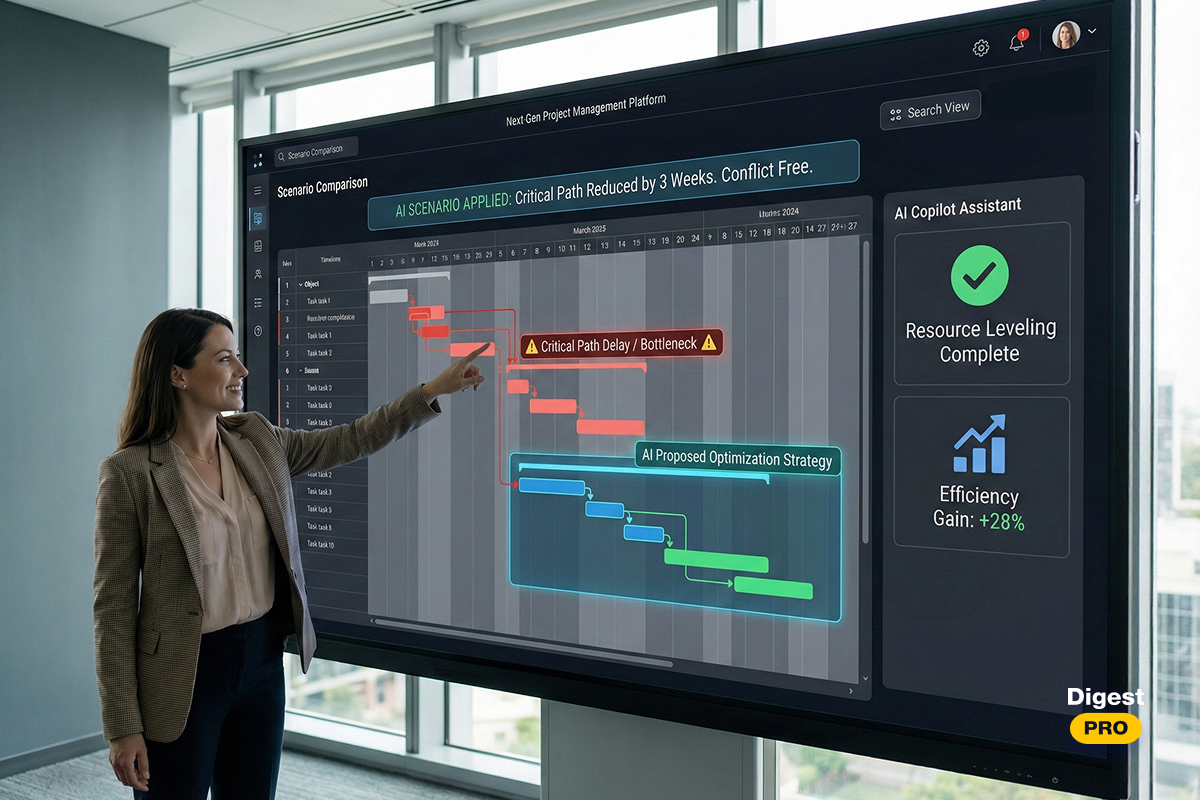
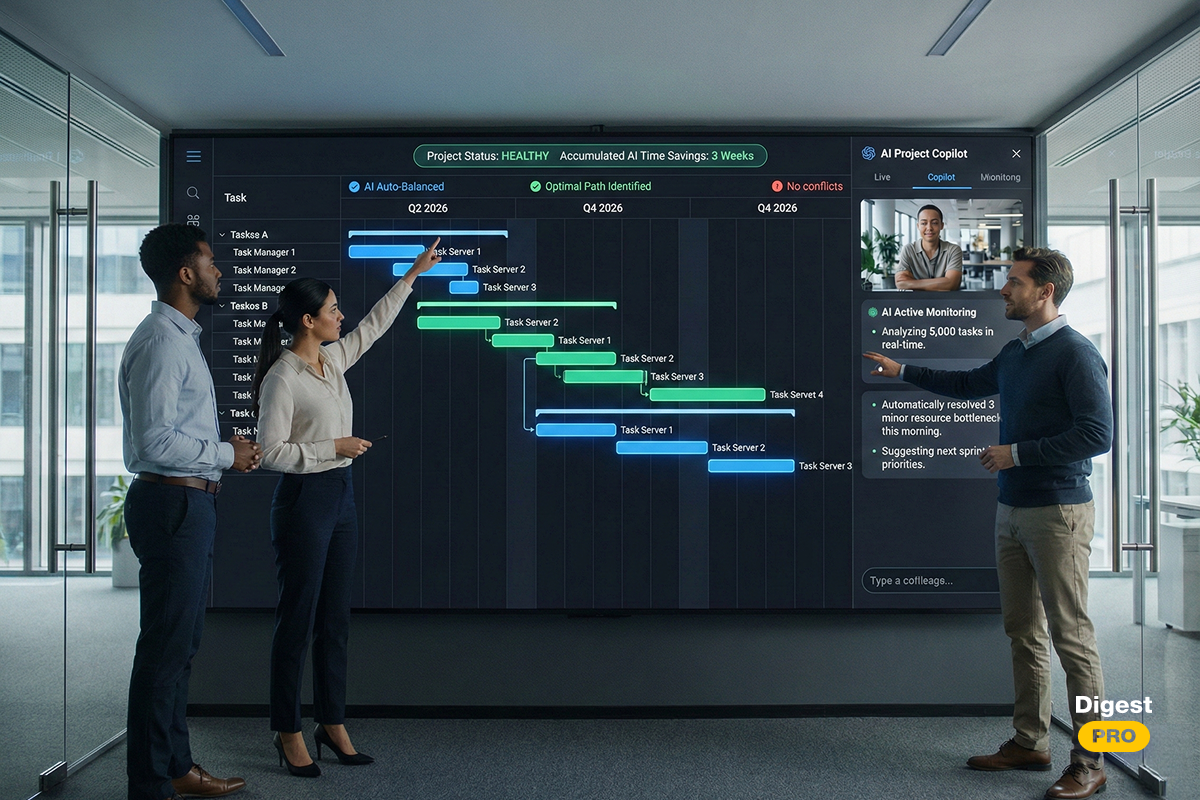
Epicflow stands out as a leading AI-based multi-project and resource management software. It is specifically engineered to handle the complexities of modern PMOs. Unlike traditional tools, Epicflow uses advanced algorithms to provide effective risk management across your entire portfolio. It treats resources and tasks as a dynamic ecosystem.
The software offers several unique capabilities:
- Real-time bottleneck detection: Identifies where your projects are likely to stall before they happen.
- AI assistant: Provides intelligent recommendations for task prioritization.
- What-if analysis: Lets you simulate changes in scope or resources to see the impact on deadlines.
- Future & Historical load graphs: Visualize resource capacity to prevent burnout.
- Competence management: Guarantees that the right persons with the right competence perform the right tasks.
- Pipeline: Gives an overview of all active and upcoming projects in the organization.
- Portfolio-level visibility: Tracks the entire environment to identify “red” projects and budget threats immediately.
- Bottleneck detection: Forecasts capacity and workloads to mitigate threats before they manifest.
- Giving early warnings: Alerts users to potential constraints via the AI assistant, Epica, with corrective suggestions.
- Testing risk response strategies: Trials various scenarios through “What-If” Analysis to ensure informed decision-making.
Epicflow is more than project management software. It is a strategic partner in the management of workflow resilience. It automates the risk management process by constantly recalculating the critical chain. Consequently, it is one of the best risk management tools for the engineering and manufacturing sectors.
Don’t hesitate to schedule a call with Epicflow’s experts to learn more about Epicflow capabilities for overcoming the complexity and uncertainty of your projects.
2. Monday.com
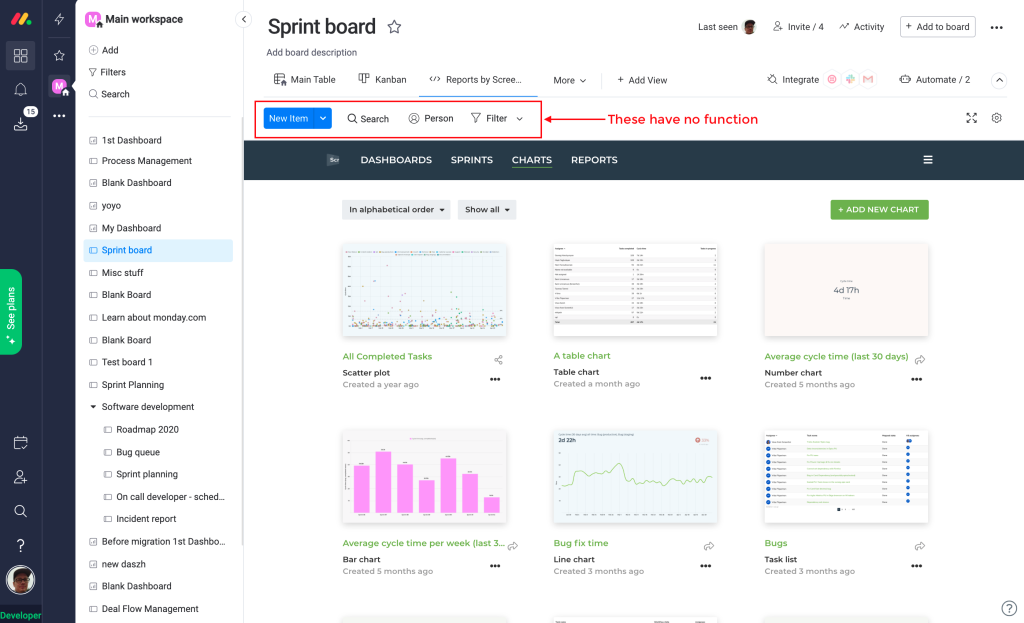
Monday.com has evolved into a powerhouse for project management. Its “Work OS” approach allows users to build custom risk registers.
It is highly visual, making it easy for a project manager to spot red flags. Furthermore, its automation engine can trigger alerts when a risk level changes. It bridges the gap between simple task tracking and enterprise risk management.
3. Jira
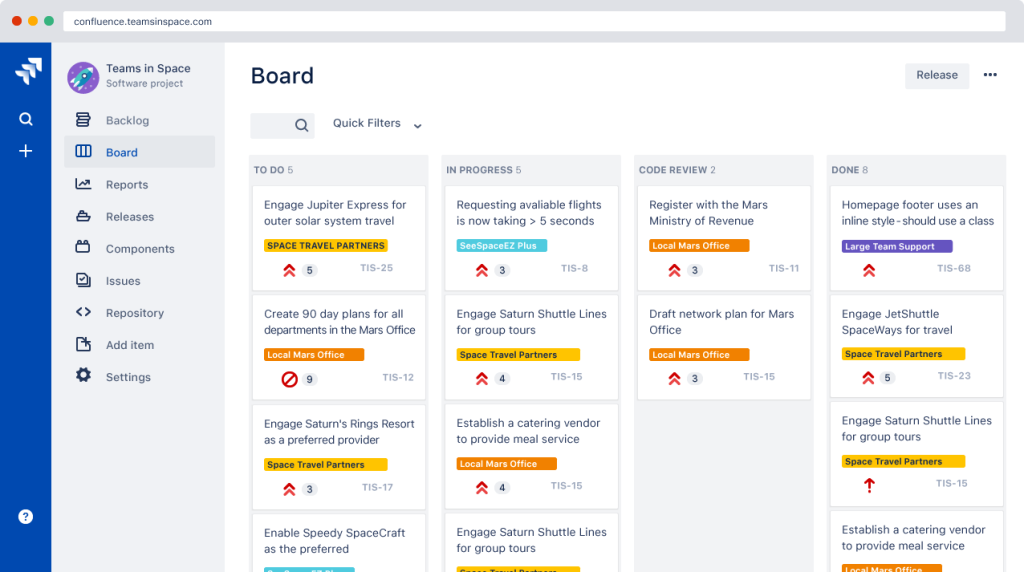
Jira excels in tracking technical project risks. By using “Issue Types,” teams can categorize bugs, vulnerabilities, and architectural risks.
Additionally, its integration with Bitbucket and GitHub provides a transparent view of the development risk management system.
3. Microsoft Project
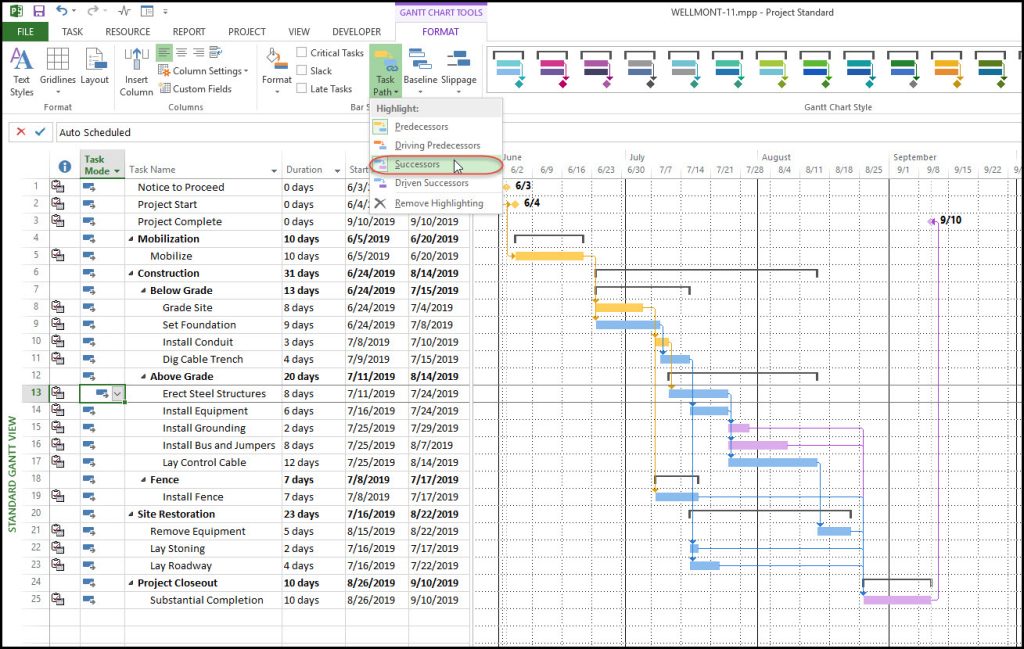
Microsoft Project is a project management tool that offers deep analytical capabilities for large-scale enterprise risk management. Its integration with the Power Platform allows for automated risk scoring.
5. StandardFusion
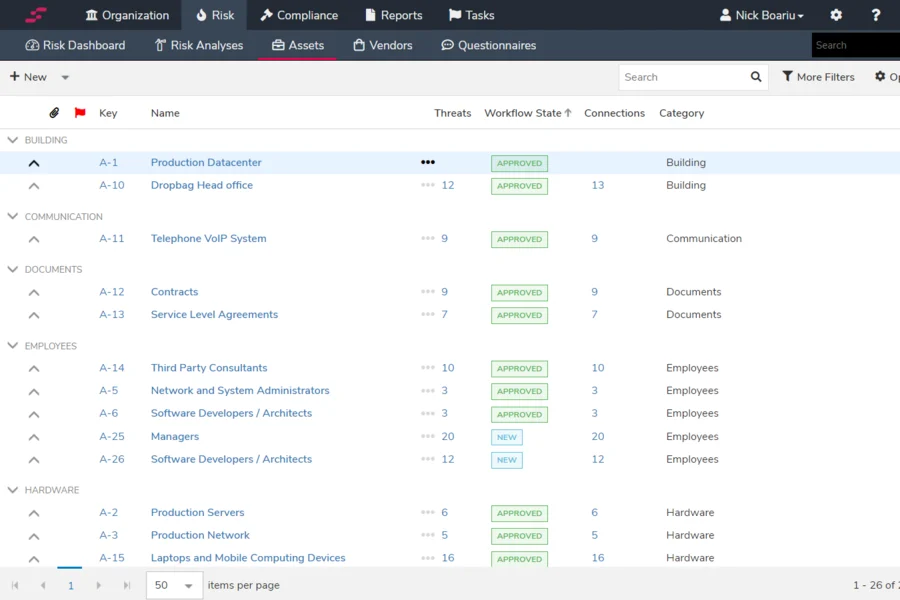
StandardFusion is a GRC (Governance, Risk, and Compliance) platform. It simplifies the risk management process by mapping risks directly to regulatory requirements. It is a good risk assessment tool for InfoSec teams.
6. Resolver
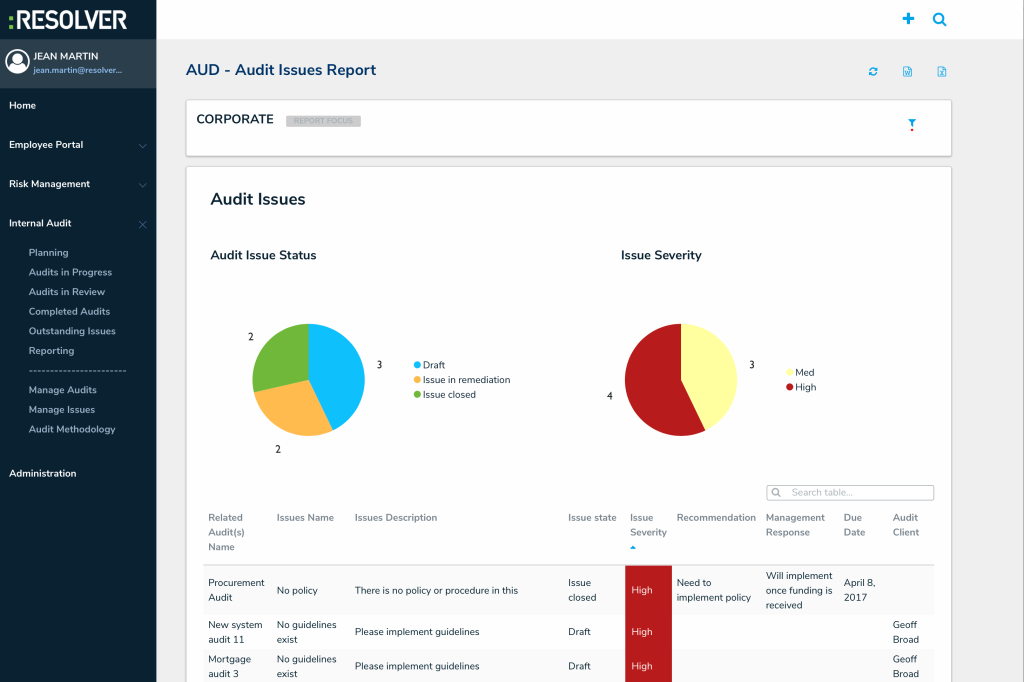
Resolver focuses on corporate security and incident management. It is designed for large organizations that need to track physical and digital threats. Its risk management software helps teams investigate incidents and implement corrective actions. Consequently, it is a top choice for enterprise risk management in highly regulated industries.
7. Wiz
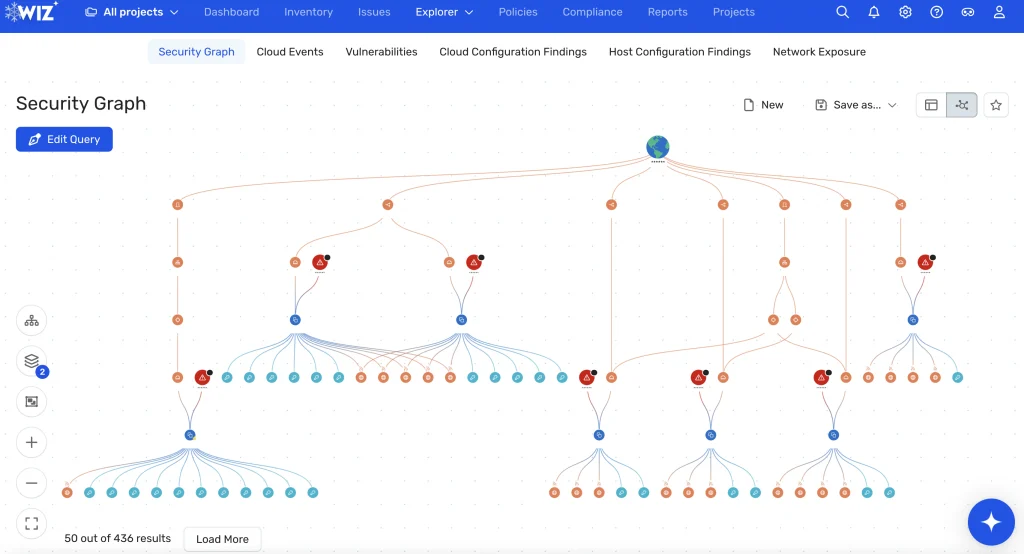
Wiz has revolutionized cloud risk management. It provides a “graph-based” view of your cloud infrastructure. It identifies toxic combinations of vulnerabilities that could lead to a breach. As a risk management tool, it prioritizes threats based on real-world exploitability. It is essential for any company operating heavily in AWS, Azure, or GCP.
8. nTask
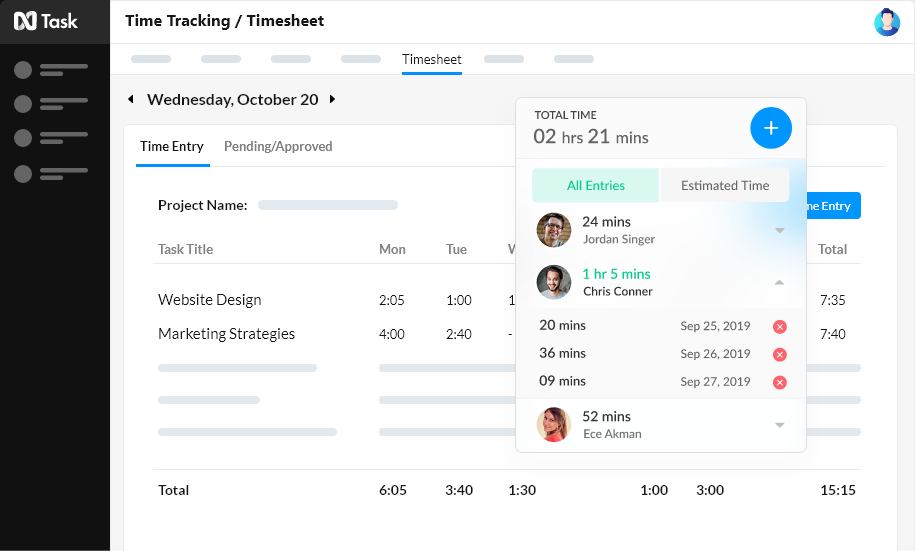
nTask is a project management software for smaller teams. It includes a dedicated module for project risk management. Users can create risk matrices and assign mitigation plans. It proves that you don’t need a massive budget to implement an effective risk management strategy.
9. ProjectManager
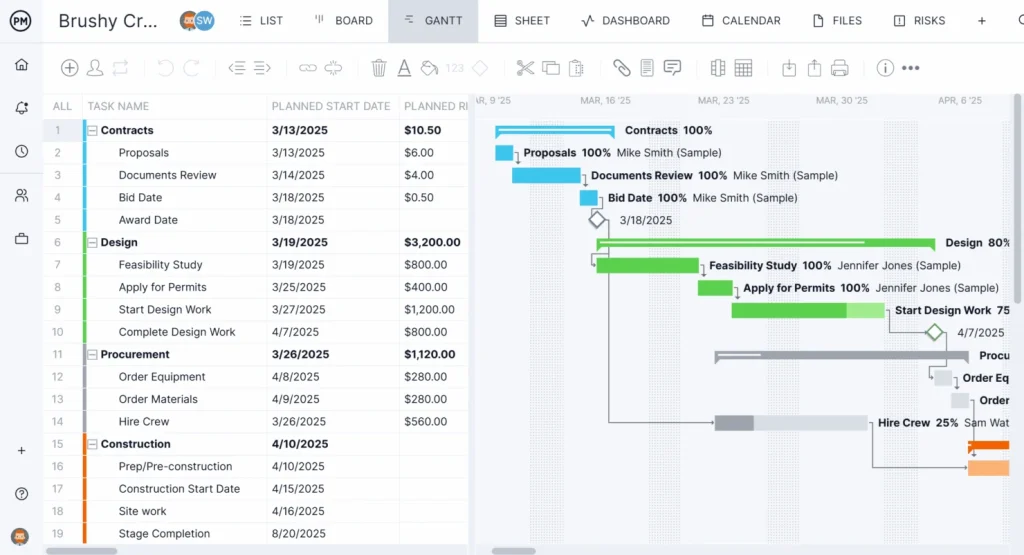
ProjectManager offers a blend of traditional and modern PM features. Its real-time dashboards track project risks alongside budget and schedule. The tool is particularly strong in the construction and manufacturing sectors. It provides a clear risk management plan that everyone on the job site can follow.
10. Wrike
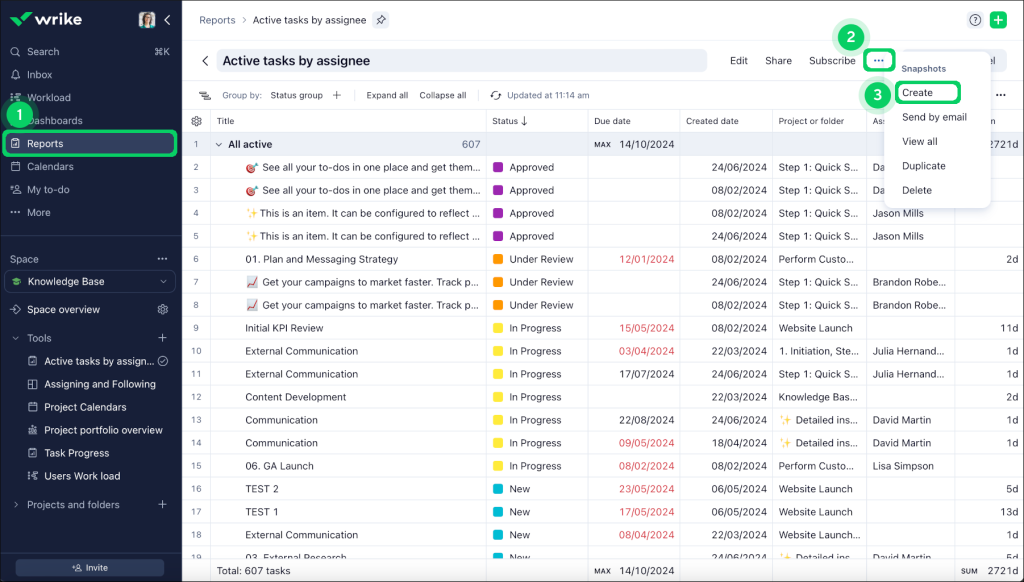
Wrike is built for high-performance teams that require cross-functional visibility. The risk management software’s AI features highlight projects that are “at-risk” due to activity delays. It acts as a comprehensive risk management solution for marketing and operations. Moreover, its customizable workflows adapt to any risk management process.
To stay ahead of the curve and receive expert insights into the future of industry, subscribe to Digest.Pro.
Read more: 15 Best Free ERP Software Reviewed in 2026
Conclusion
By 2026, handling intricate global market demands requires precise risk management tools like Epicflow—clarity emerges when operations stay steady amid unpredictability. Instead of reacting, forward motion comes through adopting resilient technology now; protection for teams follows naturally.
Our Methodology: How we selected the top risk management tools
To guarantee the highest level of analytical accuracy, we have formed a specialized team of industry experts, from GRC professionals to senior project managers. This panel of experts has performed a rigorous, evidence-based assessment to identify solutions that meet the most stringent industry requirements for enterprise resilience.
Our team moved beyond surface-level reviews, performing a multi-layered analysis of the market’s leading platforms. To ensure the accuracy of our final selection, we assessed each risk management tool through the lens of four critical strategic pillars:
- Automation-first features: We prioritized risk management features that support automation. In 2026, manual entry is considered a liability.
- User experience (UX): The risk management tools are only useful if the team actually adopts them. We looked for intuitive interfaces and clear data visualization.
- Integration capabilities: The best risk management tools must talk to other software. We tested how well these systems connect with CRM, ERP, and communication platforms like Slack.
- Market reputation and research: We reviewed market reputation by consulting reports and trustworthy resources (e.g., Gartner or McKinsey).
FAQ
Epicflow leans into smart planning using artificial intelligence for balancing workloads. Monday.com shapes tasks visually, helping teams track progress without confusion. Jira fits tightly around fast-moving tech groups building software in short cycles. StandardFusion steps in where rules, risks, and compliance matter most. Wrike opens up space for flexible workflows across departments that shift priorities quickly.
Built to spot dangers before they grow, risk management tools handle threat analysis through organized tracking. This kind of software pulls risks into one place so teams can steer clear of cost overruns and stalled timelines.
Right now, Jira grabs attention among tech groups. Meanwhile, Monday.com pulls ahead across broader teams because it bends easily to different needs.
Lying at the core of credit evaluation, five elements appear: Character, Capacity, Capital, Collateral, and Conditions. First shaped for assessing financial exposure, their role has since extended—now supporting broader assessments of how businesses withstand disruption.
Standing tall within the structure are five key components.
– Governance forms one part of what holds the system together.
– Risk identification follows, uncovering potential issues before they grow.
– After that comes analysis—measuring each hazard in turn.
– Reduction strategies take shape once evaluation is complete.
– Ongoing oversight and documentation close the cycle, ensuring awareness remains steady.
Where compliance frameworks guide conduct in law and oversight, operational hazards fall under project systems. While one aligns with regulatory standards, the other handles execution uncertainties. Governance tools shape policy adherence; meanwhile, task coordination manages workflow disruptions.
Sure, systems such as Epicflow analyze past performance alongside live updates on team availability—this allows early detection of slowdowns prior to disruption. By combining archived patterns with current workload metrics, potential holdups emerge sooner. With consistent monitoring, deviations become visible well ahead of critical stages.
Morse Fall Scale (MFS) is the most frequently used tool to measure the risk of falling in the acute care setting. The second most frequently used tools to measure the risk of falling are the “Timed Up and Go” test and the Berg Balance test.
In the strategic or project management sense, the five Ps of risk assessment stand for Perception, Process, People, Principles, and Practice.
There are five primary methods of risk assessment: Qualitative, Quantitative, Generic, Site Specific, and Dynamic Methods. The method used will depend on the complexity of the environment and the data available for analysis.
References
- Gartner. (2025). Magic Quadrant for Governance, Risk and Compliance Tools, Assurance Leaders.
- Project Management Institute (PMI). (2026). A Guide to the Project Management Body of Knowledge (PMBOK Guide).
- Boamah, F.A., Jin, X., Senaratne, S. and Perera, S. (2025). AI-driven risk identification model for infrastructure project: Utilising past project data. Expert Systems with Applications, [online] 283, p.127891. doi:https://doi.org/10.1016/j.eswa.2025.127891.
- Deloitte (2026). Enterprise risk management: Unlocking competitive advantage in Malta’s financial and crypto sectors. https://www.deloitte.com/mt/en/services/consulting/perspectives/enterprise-risk-management-as-a-competitive-advantage.html
- International Organization for Standardization. (2018). ISO 31000:2018 Risk Management – Guidelines.
- Liu, M. (2025). The ROI Of Finance Automation, Quantified. [online] Forrester. Available at: https://www.forrester.com/blogs/the-roi-of-finance-automation-quantified/ [Accessed 1 Mar. 2026].
- Hasan, A., Brown, S., Davidovic, J., Lange, B. and Regan, M. (2022). Algorithmic Bias and Risk Assessments: Lessons from Practice. Digital Society, 1(2). doi:https://doi.org/10.1007/s44206-022-00017-z.
- Raz, T. and Michael, E. (2001). Use and Benefits of Tools for Project Risk Management. International Journal of Project Management, 19(1), pp.9–17. doi:https://doi.org/10.1016/S0263-7863(99)00036-8.
- PricewaterhouseCoopers. “PwC 2026 Global CEO Survey | PwC.” PwC, 2026, www.pwc.com/gx/en/news-room/press-releases/2026/pwc-2026-global-ceo-survey.html.
- Adamyk, B., Benson, V., Adamyk, O., & Liashenko, O. (2025). Risk Management in DeFi: Analyses of the Innovative Tools and Platforms for Tracking DeFi Transactions. Journal of Risk and Financial Management, 18(1), 38. https://doi.org/10.3390/jrfm18010038
- Liu, Z., Coleman, N., Patrascu, F.I., Yin, K., Li, X. and Mostafavi, A. (2024). Artificial intelligence for flood risk management: A comprehensive state-of-the-art review and future directions. International Journal of Disaster Risk Reduction, [online] 117, p.105110. doi:https://doi.org/10.1016/j.ijdrr.2024.105110.