The field of product management is changing continuously. Modern product teams are overwhelmed with the amount of pressure they receive to create value efficiently. Therefore, selecting products to help with completing a product strategy cannot be seen as a tactical choice.
Open source product management software has now become an alternative to the proprietary products dominating the marketplace, which has resulted from a combination of powerful, flexible, and cost-effective solutions.
This comprehensive guide for product teams will provide you with an expert assessment of the leading open source product management software that exists in 2026.
In addition, we’ll discuss the importance of these tools and how to rank the top open source product management tools from a product lifecycle perspective.
I. The Strategic Imperative: Why Choose Open Source for Product Management
When starting the search for tools to support a product strategy, you must have a clear vision of where you would like to go. Your selection should support you right now as well as serve as a platform for future growth through configuration/customization. Open source has defined this process very well for product teams who want flexibility in building their own tool sets.
What is product management software?
Open source product management software is not a single solution or tool; it is a collection of different applications. It consists of many different kinds of software tools, from specialized tools for roadmaps and prioritization to a complete PLM, or product lifecycle management.
Open-source product management solutions, unlike standard project management applications that merely help manage projects, are intended to assist teams in defining what to create and why—linking the creative side to its execution using strategy.
Key Advantages: Customization, Cost, and Support for Product Teams
The principal advantages of open-source solutions for product teams relate primarily to customizing your product, cost savings for using it, and community support for you as the product team.
- Customizing your open-source product management solution provides tremendous advantages to you as a product team looking to define your work based on your unique processes. This level of flexibility is not offered by many proprietary systems, which generally limit their customers to using their software in the same way.
- Cost savings are another great benefit of open-source product management solutions. The implementation and ongoing support require funding; however, when you purchase the software through licensing, that cost is typically $0. For startups or large organizations looking to reduce their monthly operating expenses by acquiring a new product management system, this is particularly attractive
- Ongoing support through contributing to the ongoing improvements to the software; this often translates into faster fixes to reported issues as well as more numerous integrations into the product management software.
The level of subject matter expertise that exists within the community to enhance the basic product management tool is an added advantage of developing an open-source product.
Interested in staying on top of trends in product management and open-source tech? Sign up for the Digest.pro newsletter and stay updated on all things open-source tech.
II. Core Functionalities and Key Features Product Lifecycle Requirements
For the effective handling of the product, the product managers should have product management tools that can aid in the whole lifecycle of the product, ranging from the ideation stage to the end-of-life stage of the product.
The Role of Advanced PLM (Product Lifecycle Management) Solutions
Open source solutions have entered the realm of product lifecycle management in many ways. Product lifecycle management (PLM) is an integrated, holistic, process-based approach to product management.
PLM is the management of all stages of a product’s lifecycle, starting with product development and continuing all the way to product exit. PLM software provides integrated views of data and processes across the full range of a company’s processes, systems, and people.
Companies that produce complex products or manage physical products will find PLM software an essential addition to their organization’s information technology environment. The proper use of the correct open source PLM software can provide many operational efficiencies to an organization by providing integrated operational visibility, eliminating manual processes for all aspects of a product.
Essential PM Features: Roadmapping, Prioritization, and Task Management
At the heart of any successful product management tool are three critical areas:
- Roadmaps are visual representations of how a product will move forward strategically. A product roadmapping tool should generate flexible roadmaps that can be easily shared within a team or across an organization.
- Proven prioritizing methods such as RICE and WSJF so that product development teams can concentrate on products with the highest value and avoid wasting resources on products that may have little or no value to their organization.
- Although a tactical feature within PLM, the ability to manage tasks is critical for a PM’s success, as it ensures that execution of product development aligns with the overall product strategy. Tools must make it as simple as possible to convert prioritized features into manageable tasks.
Embracing the Future: AI-Powered Capabilities
As product managers embrace the future of product management with increasingly intelligent and automated capabilities through artificial intelligence (AI), open source product management software is just beginning to truly take advantage of AI’s potential.
As such, we expect to see many capabilities that will provide the industry with greater data-driven decision-making and higher-quality products. Currently, the most promising AI-powered capabilities in open source product management tools are automated backlog grooming, predictive analytics for feature adoption, etc.
III. Deep Dive: Ranking the Best Open Source Product Management Tools
We reviewed many different open source product management solutions. In our ranking of each solution, we provide you with information about the breadth of features in the solution, the overall health of the product management community, and the overall focus of the solution.
1. OpenProject: The Open Source Project Management Tool (Focus: Project Management & Agile Task Management)
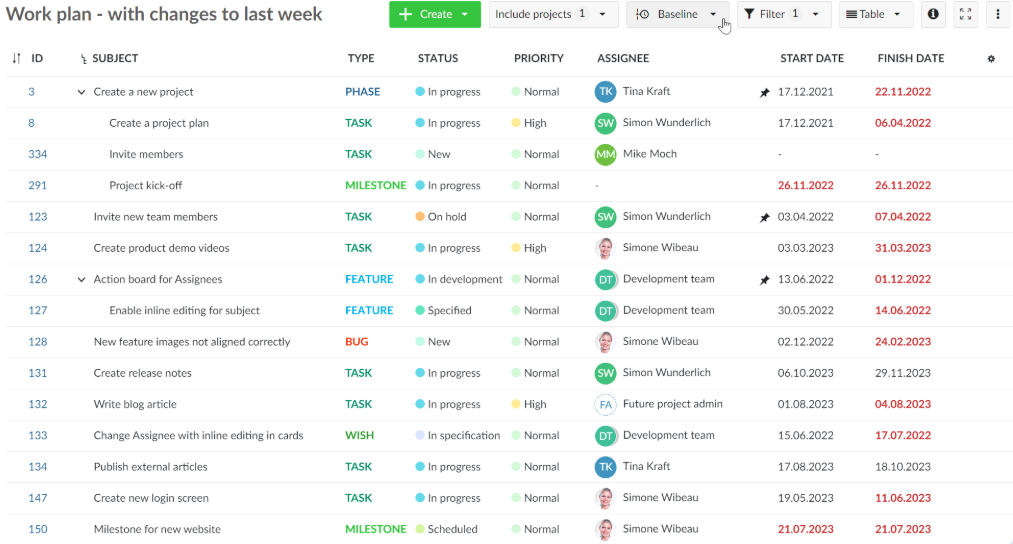
OpenProject is a long-established project management tool that has gained a strong reputation as an open-source product management system. It is among the most widely used tools in project management and has been around for many years. Also, it can be utilized for various types of project methodologies (such as Agile or Waterfall).
- The integration of Scrum and Kanban methodologies means that product development teams are able to manage the entire product lifecycle using the extremely flexible Agile Boards. Backlog prioritization is facilitated, and high-value features are delivered.
- OpenProject enables a company to have an effective open source product management software solution with its in-depth project planning and automated timeline, as well as budget features for tracking the complex phases of product life-cycle management software implementation.
Read more: Best Change Management Tools in 2026: Features, Use Cases & How to Choose the Right Software
2. Akeneo PIM: Mastering Product Information Management (Specialized Product Lifecycle Management Software)
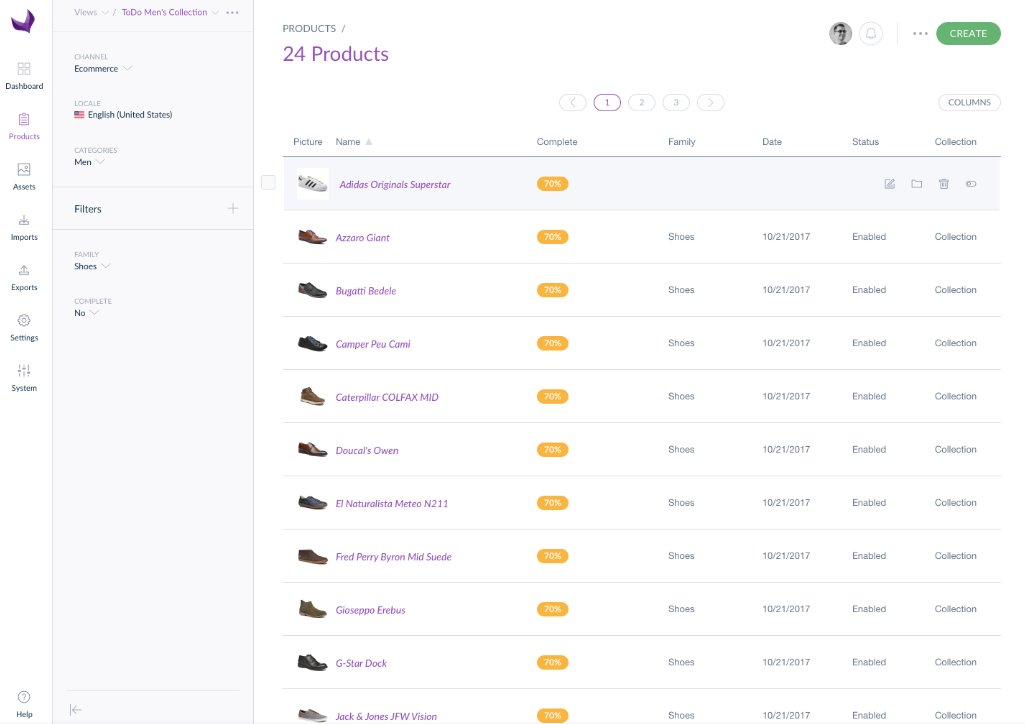
One stage of the product lifecycle management procedure is Akeneo Product Information Management (PIM).
- Centralizing, standardizing, and improving the quality of product data accessible through various channels are the main goals of the PIM component of a unique family of software products.
- Akeneo PIM provides manufacturers with a product management solution by providing management of their product assets.
Don’t miss out on the latest open-source tool reviews and product management best practices. Join thousands of professionals and subscribe to the Digest.pro newsletter now.
3. Apache OFBiz: Full Open Source Product Lifecycle Solution (Focus: Enterprise PLM)
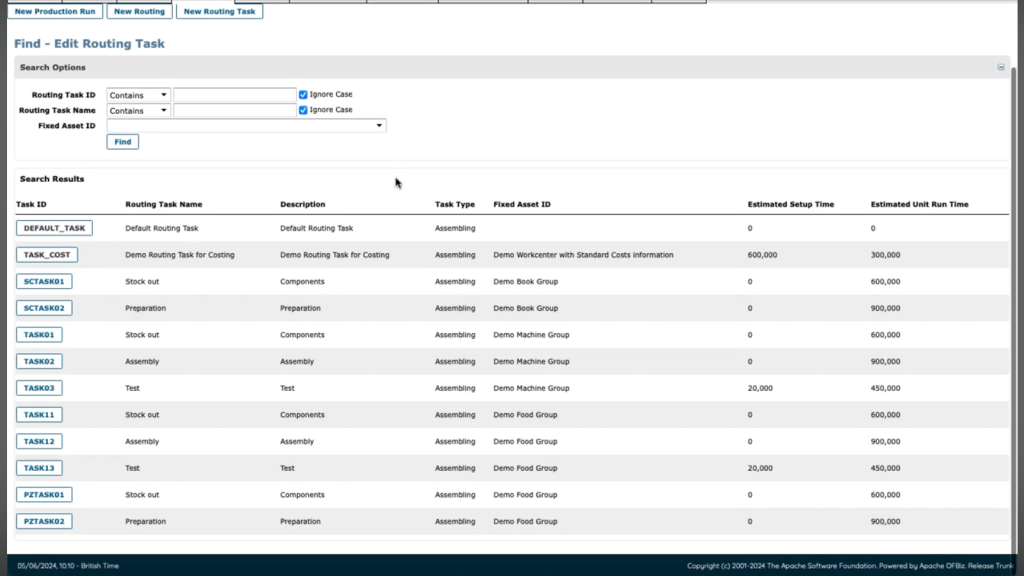
Apache OFBiz represents a suite of products designed for managing all aspects of the enterprise supply chain, from product development to procurement to accounting and inventory.
- Apache OFBiz offers the capabilities to implement both product lifecycle management and enterprise resource planning (ERP).
- Apache OFBiz is a complete enterprise solution when it comes to effective product lifecycle management and enterprise resource planning (ERP) capabilities.
4. Taiga: For Startup Teams (Focus: Simplicity & Task Management)\
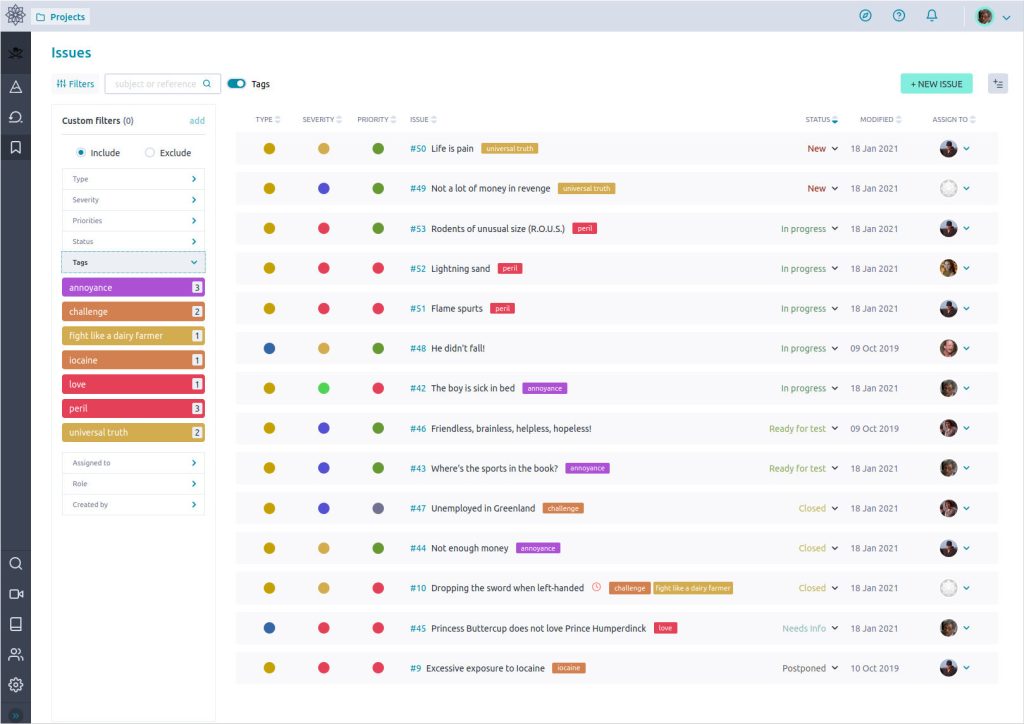
Taiga is a simple, open source product management tool designed with agile development in mind. This software is often chosen for smaller product development teams.
- Taiga includes many tools that will help with backlog management and sprint management and can create issues. Simplicity helps teams use Taiga quickly.
- The user interface is clean, and there are many convenience features, such as a simple workflow for task management.
- Taiga provides a solid platform for managing early stages in a product’s lifecycle.
5. Redmine: The Flexible Project Management Solution (Focus: Project Management Software & Customization)

Redmine is an open source project management tool that is adaptable.
- Redmine supports flexible access control based on roles and can integrate with many different version control systems.
- Redmine may have an outdated graphical user interface, but it has a long history of being very stable and providing an excellent level of support for users.
- It also provides users with the ability to create a complex and powerful project management tool for their organization through extensive configuration.
6. NocoBase: Flexible, Visual Solutions for No-Code PM
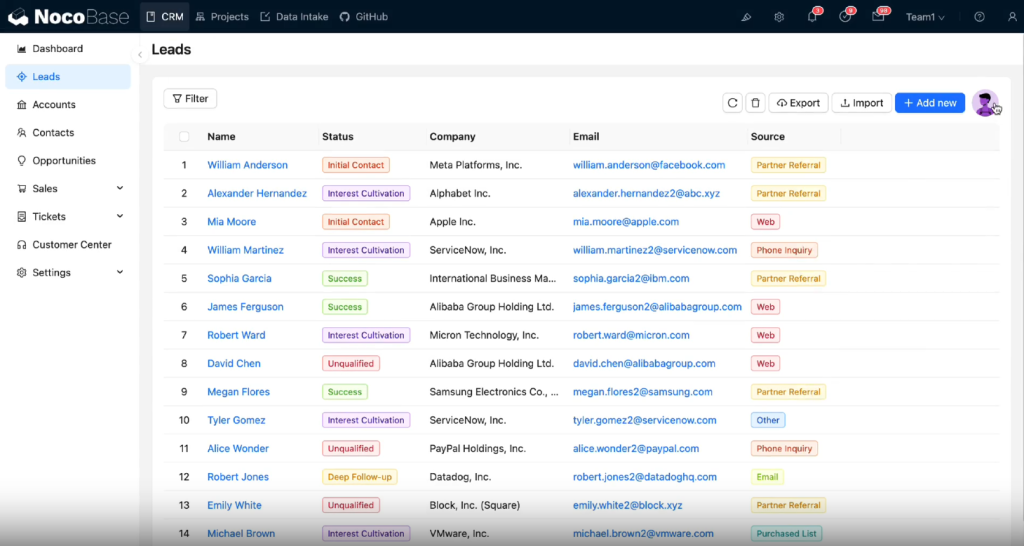
- NocoBase provides a no-code/low-code platform that can become a custom PM software product.
- NocoBase offers flexibility to create forms and workflows that product teams can use to create the way they want to manage their product’s progress.
7. Focalboard: Agile Task Management
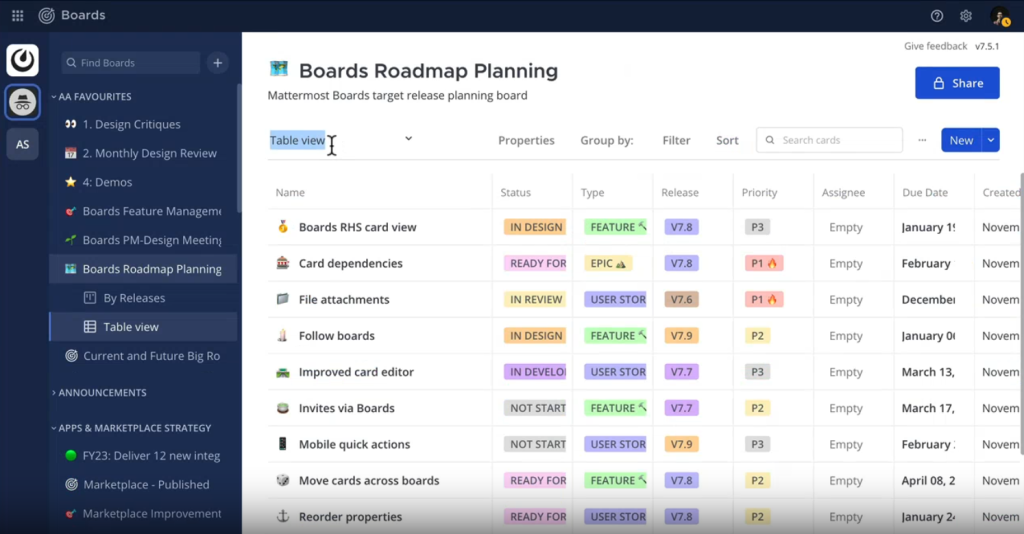
- Focalboard is a project and task management tool developed by the team behind Mattermost, which has a visual look to it with Kanban, calendar, and table views.
- Focalboard is particularly valued by privacy-conscious organizations for its self-hosted, open-source architecture, which allows teams to maintain complete data sovereignty while streamlining their product development workflows.
8. X2CRM: Leveraging CRM Components to Enhance Product Data
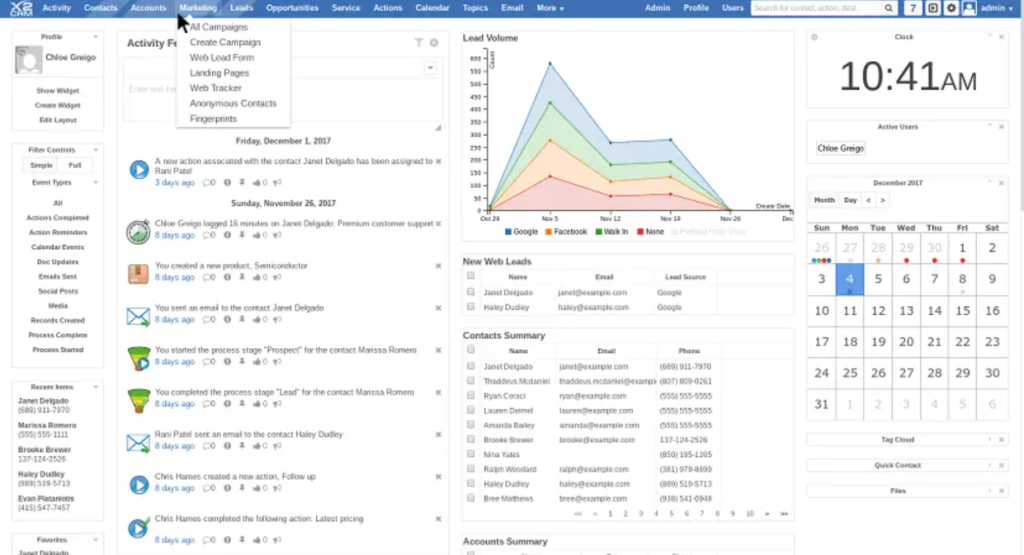
- X2CRM is primarily a CRM product. It does contain some modules related to product lifecycle management, mainly to collect customer feedback.
- X2CRM’s connectivity of past customer behavior and interactions provides companies with an unusually effective tool for managing the product roadmap.
Read more: 10 n8n Alternatives: Best Workflow Automation Tools in 2025
IV. Selecting the Tool: Fitting It to Your Team’s Needs
Selecting the best open-source product management software requires matching its features to your strategic objectives. The requirements for a small agile team will differ from those of a large enterprise that has thousands of SKUs to manage.
Evaluating Product Management Tool Needs vs. Full Product Lifecycle Management Software
The first step for product teams is to define their core requirements. The options are essentially limited to two categories:
1. Focused Product Management (PM) Needs
Is the primary need for a tool to roadmap, plan, and prioritize software features? If so, a dedicated product management tool may meet your needs. Such tools have a planned focus on strategy, placement in the market, and delivering the necessary features.
2. Product Lifecycle Management (PLM)
Do you need to manage the design, manufacturing, and end-of-life of a physical product? If so, a robust product lifecycle management tool will be required. These systems manage the physical reality of the product from beginning to end.
Read more: How to Build AI Agents Step-by-Step Guide
5 Factors to Help You Choose The Best Open Source PM Tool
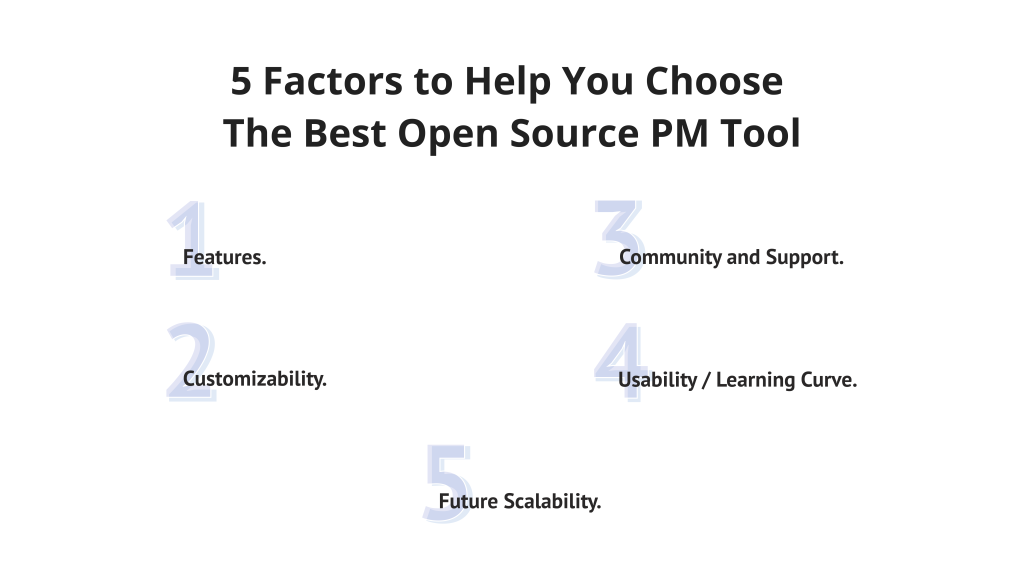
The following criteria are essential for selecting an open source product management tool:
- Features: The features must support all aspects and phases of the product lifecycle.
- Customizability: Open source products are very flexible in terms of customization and development of new features. The opportunity for customizing features to meet specific needs is another major benefit of open source products.
- Community and Support: Community and support are key factors in determining the reliability of open source project management tools. A large, active user community indicates that an open source project management tool is a reliable project management tool and can address any issues that arise.
- Usability/Learning Curve: The interface must be easy for users to learn and use. If users can’t easily learn the interface, it will diminish the overall benefits of the project.
- Future Scalability: Make sure that your tool is scalable and can manage higher complexity data and connect with specialized resource platforms (such as Epicflow).
Conclusion: Empowering Product Teams with the Best Open Source Tools
Open source product management provides a strong blend of flexibility, collaboration, and support, along with a wide range of features. There is an open source solution available to cover nearly every aspect of your business needs.
In large organizations that operate within the realm of significant complexity, the decision-making process typically revolves around efficiency and resourcefulness. It is in this area that tools that bridge the gap between traditional project management tools and innovative solutions become critical.
Using open source solutions is more than just an alternative; it’s a strategic opportunity for organizations looking to develop adaptive, low-cost, and high-efficiency product teams by 2026.
FAQs: Open Source Product Management/Product Lifecycle Management Tools
1. What key features can I find in open-source product management software?
In general, quality open source product management software centers on a loop of execution. This includes backlog management for tracking concepts, prioritization models like RICE and integrated task management. Furthermore, a modern product management tool always provides collaboration features such as shared documentation and real-time communication.
2. Are there any open-source roadmapping tools available?
Yes, free versions of open-source project management tools are commonly available with built-in roadmapping features within the overall software suite. For example, OpenProject has comprehensive Gantt charts and timeline scheduling functions to allow product teams to plot their strategic milestones. Also, Taiga has simple and agile roadmap functions. Even flexible tools such as Redmine support multi-version roadmap development to ensure strategic goals are tracked by all development stages.
3. What is the best open source product management tool for scaling teams?
Teams scaling face challenges when it comes to resource sharing. Even when uses such as OpenProject or Redmine are applied to open-source software, ensuring that it is delivered as part of multiple projects is normally handled by an integrated platform. This is essential in providing visibility that is beneficial in handling multiple products.
4. How to manage the product lifecycle effectively with open source tools?
Proper management of the product lifecycle requires a seamless combination of strategy as well as the resources for the implementation of the strategy. As the primary responsibility of contemporary product teams involves the creation of product roadmaps, as well as backlog grooming, the selection of the correct product management software is key to any success in such a scenario.
The use of sophisticated software for the management of the product lifecycle, in combination with multi-project management software, ensures that the allocation of tasks is well distributed among the team resources. This will ensure that the commitments of the product lifecycle features are fulfilled on time and within the capacity of resources available.
5. Does open source product management software support AI-powered features?
As a result of advances in technologies, many product management software programs today include AI-enabled functions such as automated backlog grooming, predictive analysis of feature adoption throughout the product lifecycle, etc. These technological advances provide product teams with the ability to use data to drive their decisions about the product and improve the quality of the product as a whole.
6. Can I find open source alternatives to proprietary Product Lifecycle Management (PLM) solutions?
Yes, numerous robust open source solutions provide Product Lifecycle Management (PLM) capabilities. For example, Apache OFBiz is an open source solution that offers PLM and ERP capabilities for managing physical products on an enterprise level. For companies focusing on data and product information consistency, Akeneo PIM is a purpose-built open-source PLM tool.
7. What are the cost benefits of open source project management?
The most significant cost benefit of using open-source project management software is a reduction of monthly operating costs through zero licensing fees. Though implementation and support have some degree of cost associated with them, any funds saved can be redirected to support innovation, or for product teams with limited budgets, open source project management software is especially appealing.
8. How customizable is an open-source product management tool?
Measuring customizability involves evaluating how robust a tool’s API is and how clean its plugin architecture is. Product teams should pay attention to the developer documentation quality and the flexibility of the underlying database schema when adding custom fields. A highly customizable product management tool allows deep integration with the existing tech stack without having to rewrite all of the core source code. This ensures that the features of the product lifecycle can be tailored to unique organizational workflows with effectiveness.
9. Why is resource optimization critical for portfolio execution?
Open source software overcomes resource constraints with centralized visibility into workloads of teams through integrated Gantt charts and workload distribution modules. This helps product teams to spot over-allocated members and reassign tasks to currently available people with the right skill sets. Utilizing Agile boards to enforce WIP limits, open source product management software prevents team burnout and keeps the flow of delivery steady. This ensures, quite transparently, that FPL is in line with actual capacity and closes the gap between strategic planning and tactical execution.
10. What is the role of Product Information Management (PIM) in product lifecycle management software?
Product Information Management (PIM) is a product asset management stage that provides consistent access to high-quality product information across all channels. The PIM solution (such as Akeneo) aggregates, organizes, and standardizes product data. Consequently, product teams can consistently access, understand, and utilize the data on thousands of products effectively.